
Tree Spotting in East Sooke Park
This week’s blog post is all about trees! I waited to make my blog post until today because I wanted to see what plants I came across on my hike in East Sooke Park. It was a beautiful, sunny day in Sooke. We saw some extraordinary views, climbed quite some elevation, and left feeling very fulfilled.
Below are some species I found. I am now sitting on my couch at home and realizing I didn’t take as many photos as I thought I did. I guess I must have been “in the moment”.
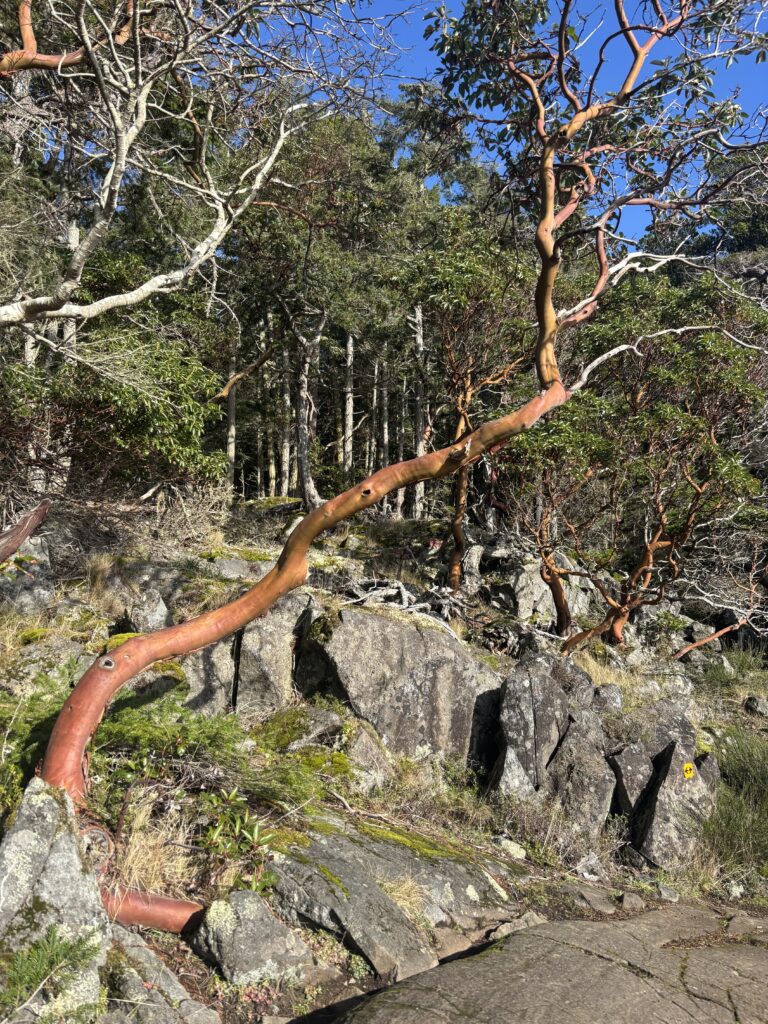
Arbutus
This is a species that I did already recognize. However, I do not know much about it. My goal for The Plant Project, is to not only recognize species, but to also be able to know something interesting about them.
The latin name for Arbutus is Arbutus menziesii. They are a type of evergreen tree and they can stand up to roughly 30m tall. These trees are most commonly recognized for their red/orange bark that is found peeling on the older trees, but they can also be identified by their dark, oval leaves and their bright red berries in the spring. One of the coolest things I have learned is that Arbutus bark can be used as a tea. Indigenous communities use this medicinally to relieve stress, reduce cold symptoms, and resolve stomach problems. I also found that chewing the leaves can help to stop a sore throat!
Garry Oak
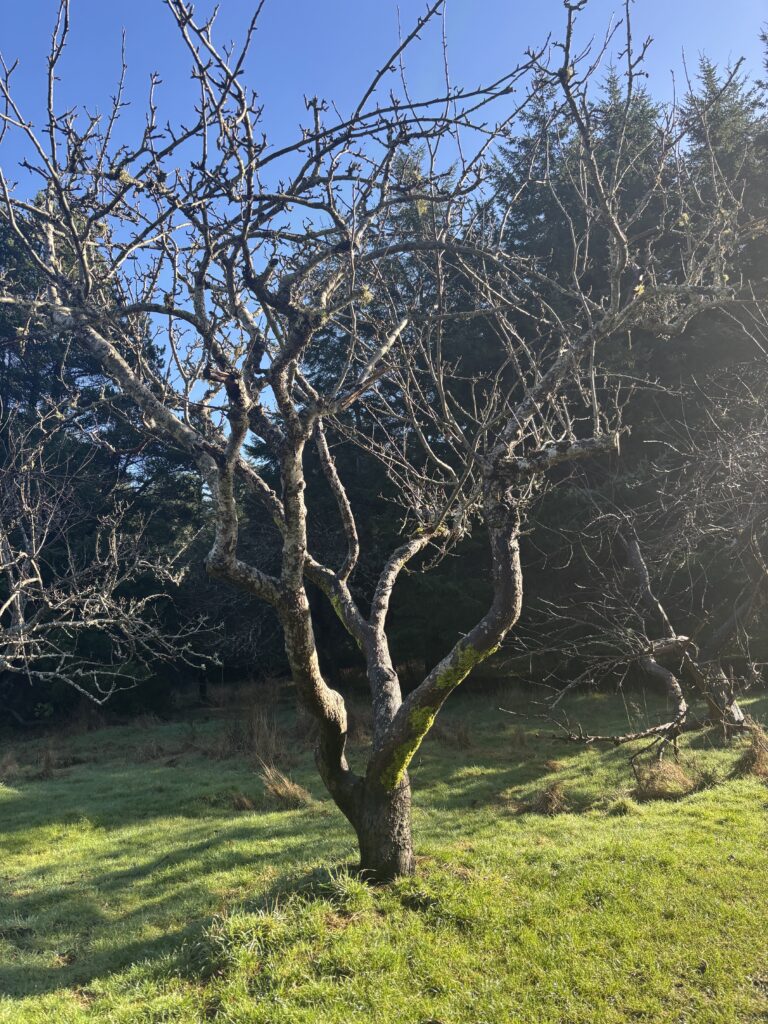
I have heard of Garry Oak trees and their ecological importance here on the island, but I have never been able to properly identify one. Today I came across one at East Sooke, and here is what I learned.
The latin name for Garry Oaks is Quercus garryana. These are deciduous, hardwood trees that tend to have very gangly branches. They have a brown/grey bark, and the leaves have thick and round lobes (very similar to other oak tree leaves). What I found very interesting about these trees is that one individual tree has both male and female flowers. The male flowers are yellow and green, and the females are bright red and covered in white hairs. These trees also produce acorns that fall in late summer/fall, and if you roast them you can eat them!
Western Hemlock
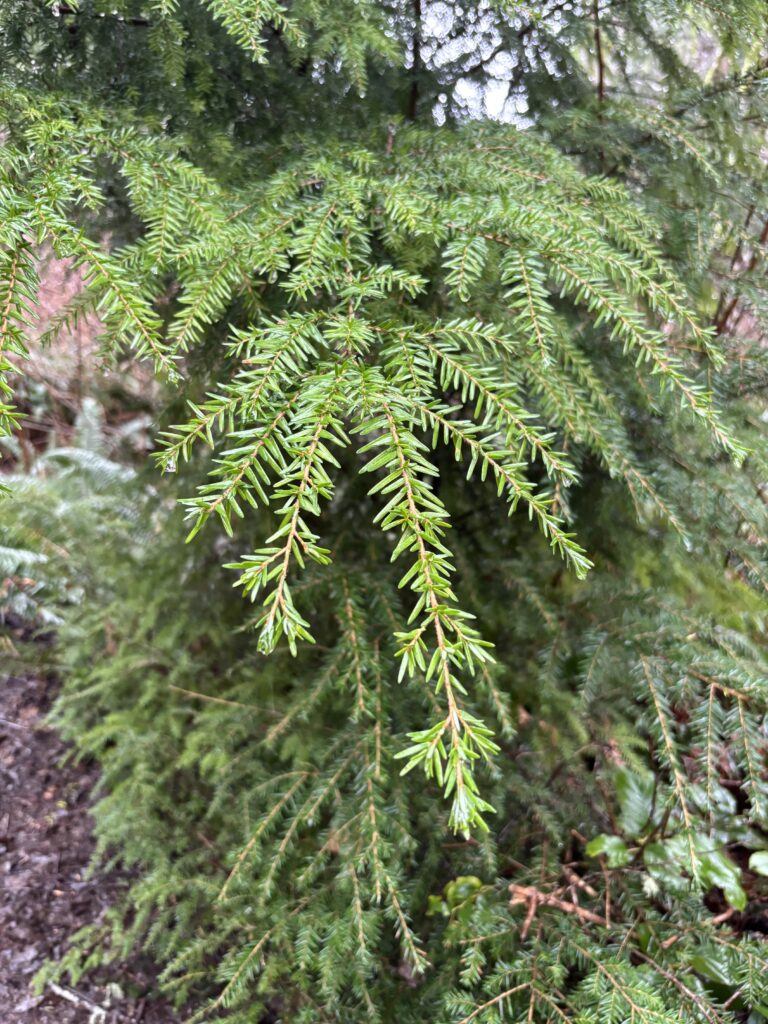
This is a brand new species for me! I will be honest, when I took this picture I thought this was some type of pine tree, but I was mistaken.
Western Hemlock’s latin name is Tsuga heterophylla. These are very large, conifer trees that can reach up to 80m tall. They have very long branches, and dark red/brown bark with scaly ridges. This tree is incredibly shade-tolerant and often dominates old-growth forests, which makes it very important in Pacific Northwest ecosystems. Something really cool that I found was that Western Hemlock is known for its ability to grow on “nurse logs” (fallen, decaying trees that provide nutrients and a raised platform above the competitive forest floor). Indigenous peoples use hemlock for creating a red dye from its bark tannins, which is used for dying clothing items.
Okay, there you have it! This is just a small snapshot into how many species of plants are in East Sooke Park. I’m excited to continue discovering more about the incredible plant diversity in my local area and can’t wait to see what next week’s explorations will bring!